

Glyphosate: A Continuing Conversation
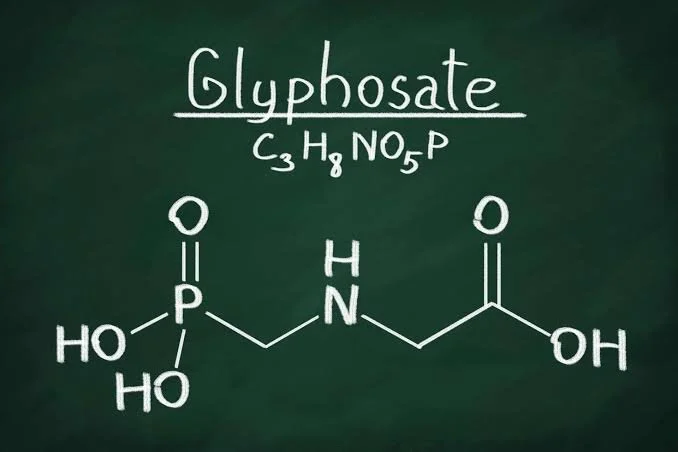
After attending the Montana Soil Health Symposium in Billings, I started 2026 with a goal of including an article about glyphosate in every newsletter. I missed that goal last month, but here is my September submission!
I’m intentionally keeping these articles from becoming too heavy on the science. My hope is that they spark interest and encourage readers to learn more about the established use of Roundup® and glyphosate in the agricultural industry. Our children, grandchildren, and great-grandchildren will live on this land long after we are gone, and how we care for it matters.
Glyphosate, the key ingredient in the widely used herbicide Roundup®, has become the subject of significant debate about the future of food and agriculture. Over the past two decades, it has become one of the most widely used herbicides in history.
The majority of genetically engineered (GE) crops in the U.S. are designed to survive direct applications of glyphosate. As the use of GE crops has increased, so has the use of glyphosate.
A Lesser-Known Use
One lesser-known use of glyphosate is pre-harvest crop desiccation. Glyphosate may be sprayed on crops such as wheat, oats, and beans shortly before harvest to dry the plants, allowing harvest operations to begin sooner and helping farmers harvest fields with uneven moisture levels.
Pre-harvest applications can result in higher glyphosate residues in harvested grains and legumes. In response to increased use on mature crops and concerns about residues, regulators have established legal limits for glyphosate residues in food crops. Germany and Austria have banned pre-harvest use of glyphosate.
One estimate found that 28% of U.S. wheat in 2015 was treated with glyphosate, much of it for pre-harvest purposes. That estimate is now more than a decade old.
Glyphosate in Our Environment
Glyphosate is now widely present throughout our food system and environment. One biomonitoring study detected glyphosate in 93% of individuals tested, while another study found it in 60% of surface water samples in the Midwest.
At the same time, increased glyphosate use has contributed to the development of glyphosate-resistant weeds. Some U.S. farms now report populations of weeds that are resistant to glyphosate. In response, the seed and pesticide industry has introduced genetically engineered crops designed to tolerate combinations of herbicides, including glyphosate, 2,4-D, and dicamba.
These developments raise important questions about how we manage weeds, protect soil and water, and think about the long-term health of our agricultural systems.
My hope is simply that these articles encourage us to ask questions, learn more, and think about the choices we are making for the land we will leave to the next generation.
